The Process Engineer's Glossary for Corn Wet Milling Visitors
Corn wet milling has its own working language. For a visitor, buyer, or cross-functional technical team, the terms can sound simple until they are tied to plant performance: separation efficiency, starch loss, viscosity, filtration behavior, dryer loading, dextrose conversion, and uptime.
Mazerun is an enzyme supplier for corn wet milling, and we use these terms in the same practical way plant teams use them: as decision points in a continuous operation. This glossary is written for process engineers, technical buyers, QA teams, and site visitors who need a grounded reference before a walkthrough, audit, trial, or troubleshooting discussion.
One-minute faceless explainer
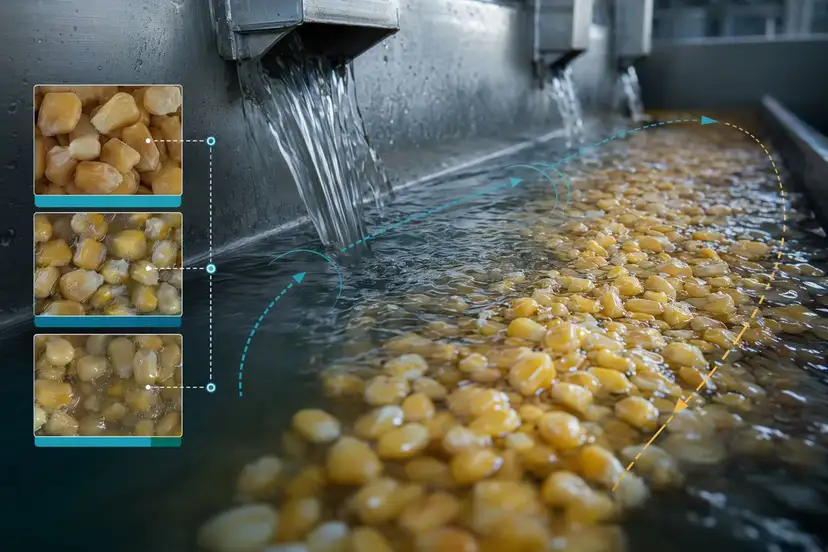
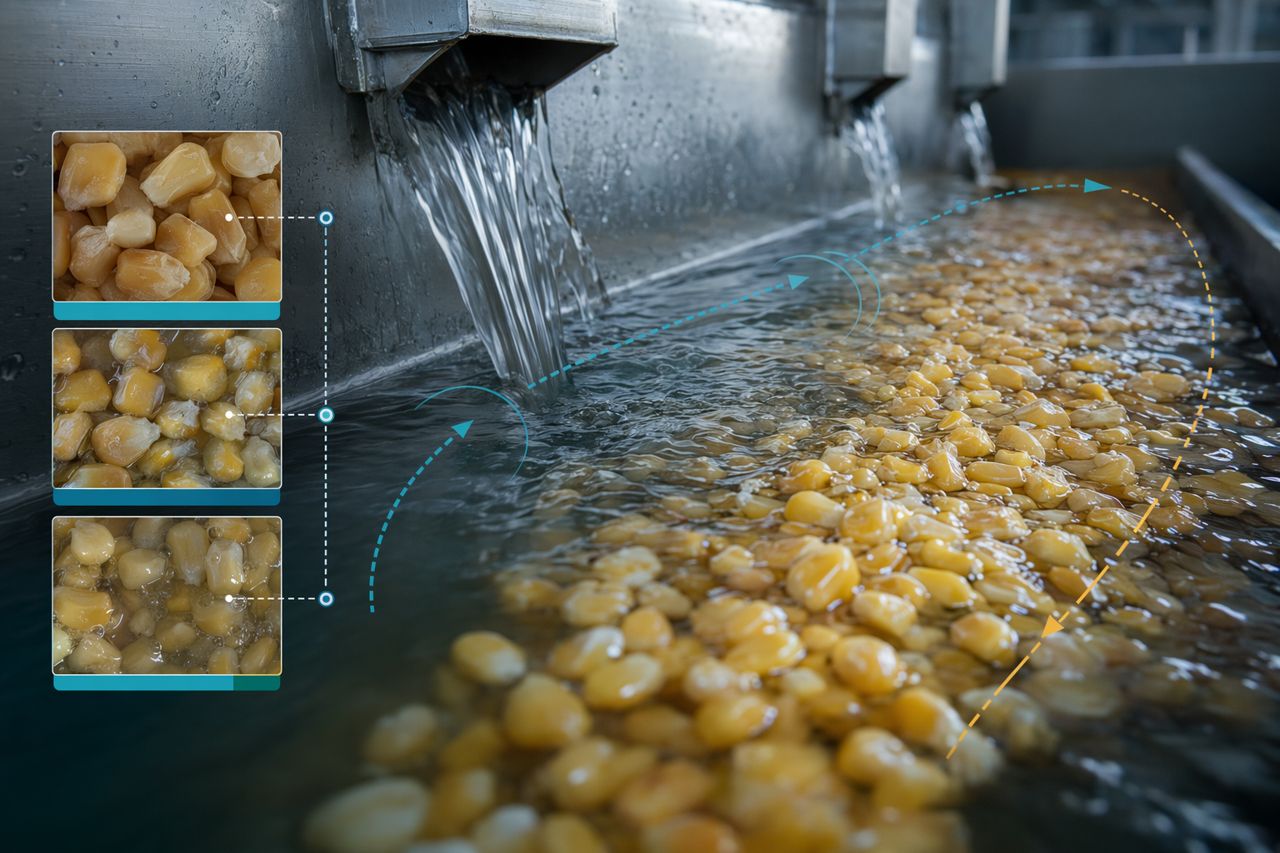
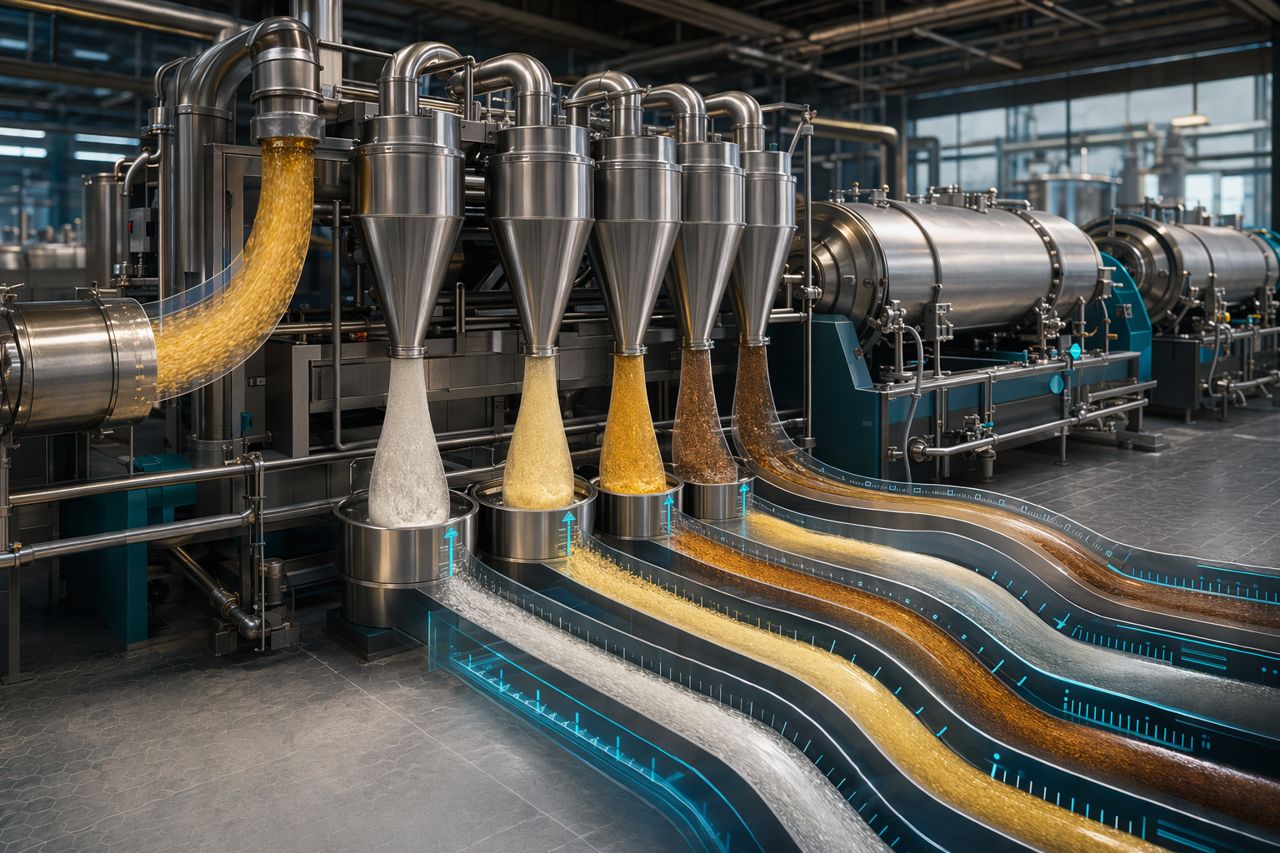
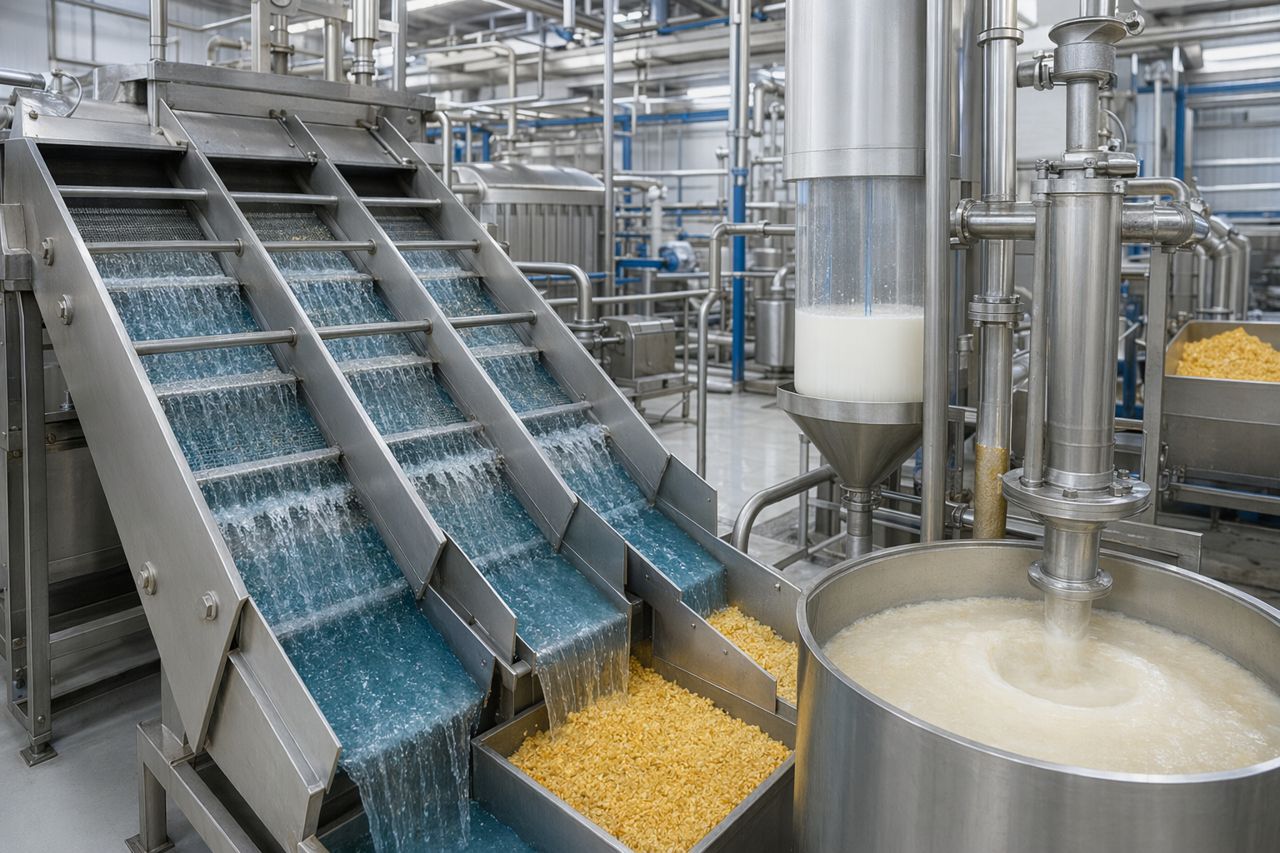
This page is designed to embed a short, faceless explainer video above the glossary. The visual approach follows the corn wet mill process path: kernel hydration, component release, separation, washing, and downstream conversion. Subtitles should remain visible throughout for use in offices, control rooms, and trade-show settings.
How to use this glossary
Use this reference to align language before a plant visit or enzyme trial conversation. The terms below are not academic definitions. They are framed around operating consequences:
- Where starch can be lost
- Where viscosity can restrict flow or filtration
- Where coproduct quality is created or diluted
- Where dosing windows and residence time matter
- Where small changes affect continuous uptime
- Where QA documentation and trial design should be clear
Core corn wet milling terms
Corn steeping
Steeping is the controlled hydration and conditioning stage that prepares kernels for component separation. It softens the kernel structure and helps loosen the bonds between starch, protein, germ, and fiber.
Why process engineers care: Steeping affects downstream grind behavior, germ release, fiber separation, viscosity, solids movement, and steep liquor composition. A mill with inconsistent steeping can see the same symptoms appear later as centrifuge load, screen blinding, starch loss, or filtration drag.
Enzyme relevance: Enzyme programs may be evaluated where mills need more consistent release, lower viscosity, improved separation, or a wider operating window without disrupting established steep schedules.
Steep water
Steep water is the process water used during steeping. It circulates through steep tanks and carries soluble materials extracted from the kernel.
Why process engineers care: Steep water quality influences hydration behavior and the chemistry entering later operations. Its condition can affect solids transfer, corrosion considerations, and variability across steep cycles.
Steep liquor
Steep liquor is the concentrated stream generated from steep water after soluble materials from corn have been extracted and concentrated. It is commonly used in coproduct applications.
Why process engineers care: Steep liquor is not just a side stream. Its solids profile, concentration behavior, and consistency affect evaporator load, coproduct value, and site mass balance.
Enzyme relevance: When enzyme trials are considered upstream, steep liquor impact should be monitored so a yield gain in one area does not create an unexpected coproduct or evaporation issue elsewhere.
Degermination
Degermination is the mechanical release of the corn germ from the softened kernel after steeping and initial milling.
Why process engineers care: Germ needs to be released cleanly enough for separation while limiting unnecessary starch damage or fines generation. Poor degermination can push starch into germ or fiber streams, reducing recoverable starch yield.
Germ separation
Germ separation removes germ from the process stream, often by exploiting density differences. The germ is valuable because it carries oil.
Why process engineers care: A strong germ separation step protects oil value and reduces starch loss. If germ separation is unstable, the plant may see changes in oil recovery, downstream solids loading, and starch balance.
Enzyme relevance: Enzyme suppliers should understand the mill's separation objectives before proposing changes. The goal is not simply to break material down. The goal is to help the right component move to the right stream.
Fiber
Fiber is the hull and structural portion of the corn kernel that remains after starch, germ, and protein fractions are separated.
Why process engineers care: Fiber can carry trapped starch. It can also create viscosity, screen loading, and wash water demand. Fiber handling affects yield, dryer loading, coproduct consistency, and wastewater burden.
Fiber wash
Fiber wash is the washing stage used to recover starch and solubles from the fiber stream before the fiber moves to coproduct handling.
Why process engineers care: This is a common yield-protection area. Inadequate washing can send recoverable starch to fiber. Over-washing can increase water load and create downstream hydraulic pressure.
Enzyme relevance: Enzyme support may focus on releasing bound or trapped starch, improving flow through screens, and reducing viscosity within practical residence time and dosing windows.
Gluten
In corn wet milling, gluten refers to the protein-rich fraction separated from starch. It is different from wheat gluten in composition and application.
Why process engineers care: Gluten recovery affects protein coproduct value and starch purity. Poor separation can increase protein carryover into starch or starch carryover into gluten.
Gluten recovery
Gluten recovery is the process of separating and concentrating the protein fraction from the starch-rich stream, often using centrifugation and related separation equipment.
Why process engineers care: Stable gluten recovery supports consistent coproduct quality and reduces contamination of the starch stream. The stage is sensitive to solids loading, particle behavior, viscosity, and upstream grind quality.
Starch slurry
Starch slurry is the water-based suspension of starch after initial separations. It is the main intermediate stream before washing, modification, drying, or conversion.
Why process engineers care: Slurry consistency affects pumping, hydrocyclone performance, washing efficiency, heat transfer, liquefaction behavior, and filtration where applicable.
Starch washing
Starch washing removes residual protein, solubles, and fine impurities from the starch slurry to improve starch purity.
Why process engineers care: Starch washing is a quality and yield step. Flow balance, cyclone performance, and solids control influence ash, protein carryover, product consistency, and water use.
Enzyme relevance: Enzymes are not a substitute for hydraulic balance or mechanical separation. They are most useful when matched to the mill's actual bottleneck: viscosity reduction, release of trapped starch, conversion readiness, or filtration improvement.
Hydrocyclone system
Hydrocyclones use centrifugal force to separate particles based on density and size. In corn wet milling, they are central to starch washing and refining.
Why process engineers care: Hydrocyclone performance is tied to feed consistency, pressure stability, solids loading, and upstream contamination. A small shift in feed behavior can affect starch purity and yield.
Centrifuge loading
Centrifuge loading describes the amount and character of solids presented to centrifuges during separation stages.
Why process engineers care: Loading is not only about volume. Particle size, viscosity, density difference, and upstream variability determine whether separation remains stable during continuous operation.
Viscosity
Viscosity is resistance to flow. In wet milling, it influences pumping, screening, washing, heat transfer, filtration, and separation behavior.
Why process engineers care: High or unstable viscosity can reduce throughput, increase energy demand, restrict filtration, and narrow the operating window. Viscosity problems often appear as equipment symptoms rather than as a single isolated cause.
Enzyme relevance: Viscosity reduction is one of the clearest areas where enzyme selection and dosing windows need to match the real plant environment, including pH, temperature, residence time, and downstream constraints.
Liquefaction
Liquefaction is the conversion stage where starch is gelatinized and partially hydrolyzed to reduce viscosity and prepare for further conversion.
Why process engineers care: Liquefaction affects flow, heat transfer, dextrose conversion readiness, evaporator load, and downstream filtration. A poor liquefaction profile can show up later as conversion inefficiency or inconsistent syrup handling.
Saccharification
Saccharification converts liquefied starch into sugars, including dextrose, depending on the plant's product objective.
Why process engineers care: Saccharification performance is tied to substrate quality, liquefaction consistency, temperature profile, residence time, and enzyme compatibility. Small upstream differences can affect final dextrose conversion and product consistency.
Dextrose conversion
Dextrose conversion describes how effectively starch-derived material is converted toward dextrose in a glucose or sweetener process.
Why process engineers care: Conversion efficiency affects yield, cycle time, downstream purification, and final product specifications. It should be evaluated alongside filtration, color, ash, and process stability, not as an isolated number.
Filtration
Filtration removes solids or impurities from process streams and may be used in sweetener refining, coproduct handling, or wastewater-related operations.
Why process engineers care: Filtration behavior is often a practical measure of upstream success. If viscosity, fines, or incomplete conversion increase, filters can become the visible bottleneck.
Coproduct streams
Coproduct streams are the non-primary product fractions generated during corn wet milling, including germ, fiber, gluten, and steep liquor-based products.
Why process engineers care: Coproduct streams carry economic value. Improving starch yield should not come at the expense of coproduct quality, dryer efficiency, or customer specifications.
Common visitor questions in a corn wet mill
Where is the best place to discuss enzyme use?
Start with the bottleneck, not the enzyme name. A productive discussion usually begins with one of these questions:
- Is starch being lost to germ, fiber, or gluten streams?
- Is viscosity limiting flow, washing, heating, or filtration?
- Is dextrose conversion inconsistent across campaigns?
- Is the mill trying to improve yield without adding equipment?
- Is the proposed dosing point practical during continuous operation?
- What QA documentation is needed before a plant trial?
What should be documented before an enzyme trial?
A plant-ready trial plan should define:
- Target process stage and dosing point
- Operating window for temperature, pH, and residence time
- Baseline yield and separation indicators
- Filtration or viscosity observations where relevant
- Coproduct quality checks
- Sampling responsibilities
- Trial duration and decision criteria
- QA and handling documentation required by the site
What makes a useful enzyme supplier conversation?
A useful supplier conversation connects chemistry to plant constraints. For Mazerun, that means discussing enzyme selection in terms of throughput, yield protection, separation efficiency, viscosity management, conversion performance, documentation, and trial support.
Quick reference table
| Term |
Practical meaning |
Process impact |
| Steeping |
Hydrates and conditions kernels |
Influences release, viscosity, and downstream separation |
| Germ separation |
Removes oil-rich germ |
Protects oil value and limits starch loss |
| Fiber wash |
Recovers starch from fiber |
Affects yield, water balance, and dryer load |
| Gluten recovery |
Separates protein fraction |
Supports coproduct value and starch purity |
| Starch washing |
Refines starch slurry |
Affects ash, protein carryover, and product quality |
| Steep liquor |
Concentrated soluble stream |
Impacts coproduct value and evaporator load |
| Liquefaction |
Reduces starch viscosity for conversion |
Supports flow, heat transfer, and saccharification |
| Saccharification |
Converts liquefied starch to sugars |
Drives dextrose conversion and consistency |
| Filtration |
Removes solids or impurities |
Reveals upstream viscosity, fines, or conversion issues |
Request a quote for a corn wet milling enzyme trial
If your team is evaluating yield improvement, viscosity reduction, starch release, liquefaction performance, saccharification consistency, or filtration support, Mazerun can help define a practical starting point.
Request a quote through the on-site form and include your target process stage, current bottleneck, operating window, and documentation requirements. We will respond with a plant-oriented recommendation for review by your engineering and QA teams.