
Energy Use Hotspots in Corn Wet Milling | Mazerun
A practical map of corn wet mill energy hotspots across grinding, pumping, evaporation, drying, heating, compressed air, and enzyme-assisted process optimization.
Request pricing A practical map of corn wet mill energy hotspots across grinding, pumping, evaporation, drying, heating, compressed air, and enzyme-assisted process optimization.
Request pricingCorn wet milling is an energy-intensive separation business. Every major cost center is tied to moving water, heating slurry, reducing particle size, separating starch from protein and fiber, concentrating streams, or drying product to specification. For plant teams, the question is not whether energy can be reduced. It is where reduction can be achieved without creating instability in yield, separation efficiency, uptime, or product quality.
As an enzyme supplier for corn wet milling, Mazerun looks at energy through the process lens: viscosity, solids release, starch accessibility, filtration behavior, dextrose conversion, recycle loading, and operating windows. Enzyme programs are not a substitute for mechanical maintenance or heat integration. They are one lever for reducing process resistance and improving how the mill responds to its existing equipment.
Most wet mill energy demand is created by three practical conditions:
A useful energy review should connect utility data to process behavior. If steam use rises, is the root cause evaporation load, solids moisture, heat exchanger fouling, or incomplete upstream separation? If pump load increases, is it a maintenance issue, a viscosity issue, or a solids distribution issue? If dryers are constrained, is the bottleneck incoming moisture, air handling, product specification, or upstream dewatering performance?
Steeping affects the entire downstream energy profile. When kernel hydration and component release are inconsistent, the mill can spend more energy compensating later through grinding intensity, pumping load, separation pressure, or dryer demand.
Energy-related indicators to watch include:
Enzyme-assisted steep optimization can support more consistent softening and component release when evaluated under plant-specific constraints. The objective is not simply to change steep chemistry. The objective is to reduce downstream resistance while protecting starch yield, gluten quality, germ recovery, and wastewater load.
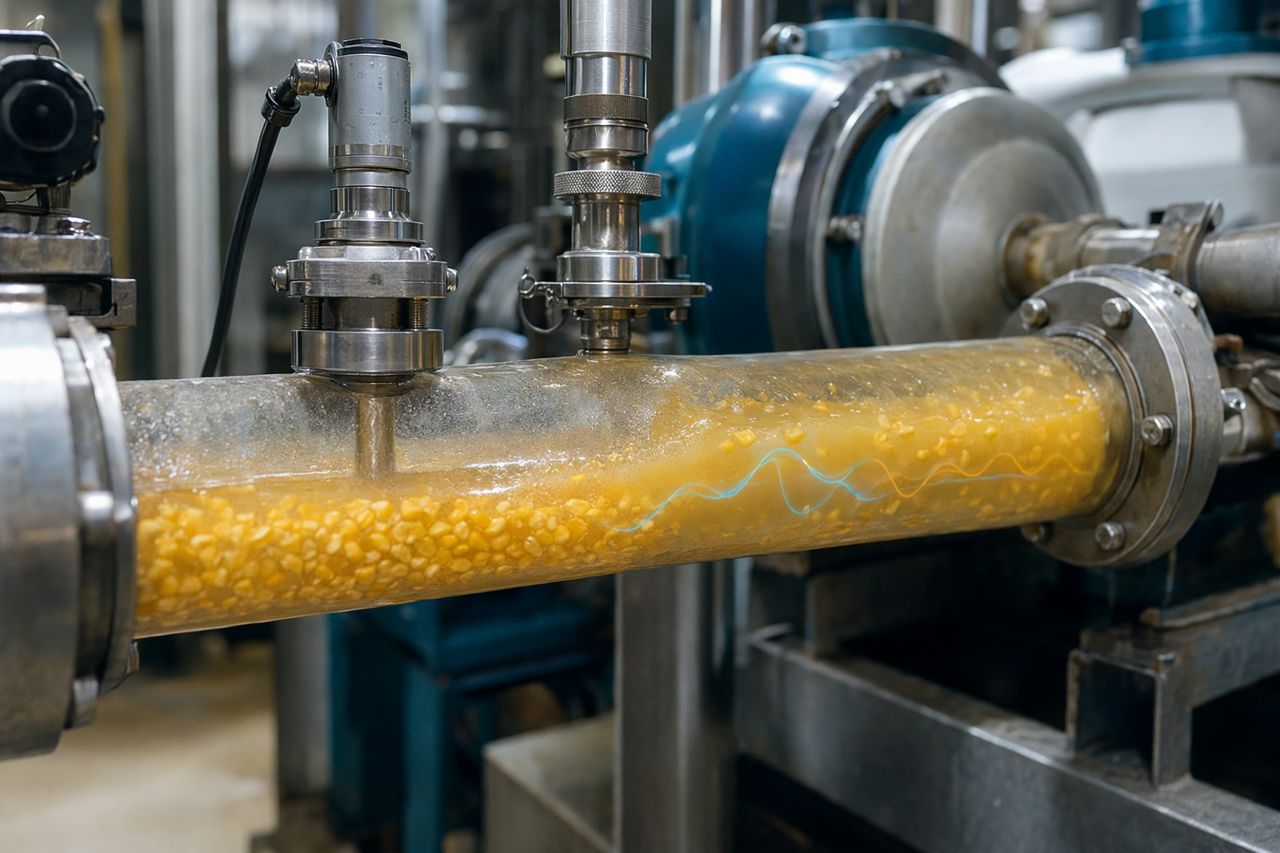
Grinding energy is highly visible, but the larger issue is often the downstream effect of particle size distribution and slurry handling. Over-grinding can increase fines, viscosity, and separation burden. Under-grinding can leave starch inaccessible and increase losses.
Plant teams should review:
Enzyme selection can support viscosity control and starch release, but dosing windows must be matched to temperature, pH, residence time, shear, and process hold points. Mazerun typically frames trials around measurable plant outcomes: smoother pumping, lower restriction across screens, improved washing, and stable separation behavior.
Separation equipment converts energy into density-based clarification. When feed quality changes, the system often absorbs the problem through higher recycle, unstable split control, increased protein carryover, or reduced starch purity.
Relevant energy and quality signals include:
A well-designed enzyme approach can improve upstream release and reduce viscosity-related separation penalties. The goal is not to push equipment beyond design limits. It is to make the incoming slurry more predictable so the existing separation train can operate with fewer corrective moves.
Where the wet mill converts starch into sweetener or fermentation feedstock, heating and holding steps become major energy and capacity drivers. Poor liquefaction behavior raises viscosity, slows heat transfer, and can reduce conversion consistency. Saccharification instability can affect dextrose profile, filtration, and downstream refining load.
Process engineers should examine:
Mazerun supports enzyme programs for liquefaction, saccharification, and viscosity reduction with attention to dosing windows, QA documentation, and plant trial controls. The value is strongest when conversion targets are linked to steam use, uptime, filtration behavior, and downstream capacity.
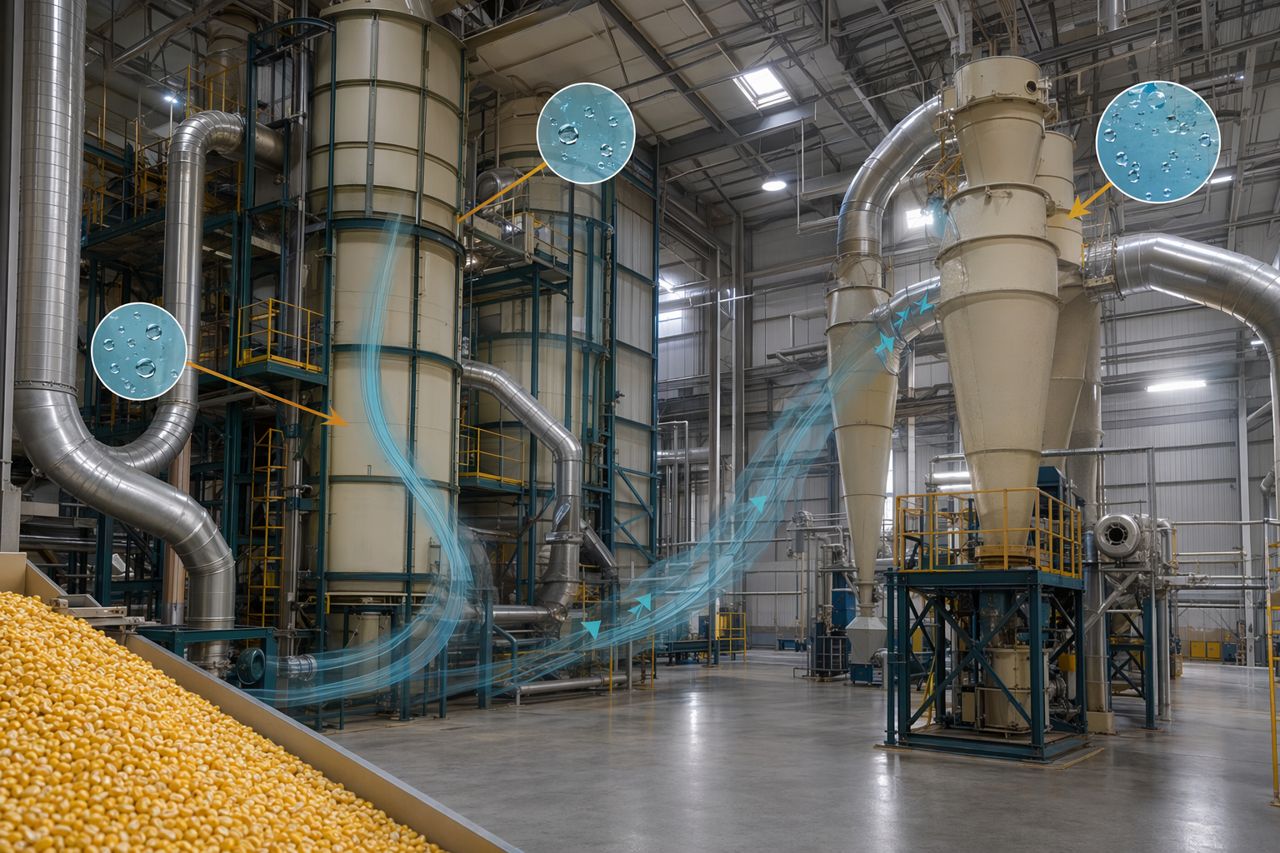
Evaporation and drying are usually the largest thermal energy consumers in the plant. They are also sensitive to upstream performance. Every extra unit of water carried into evaporation or drying must be removed with energy. Every variability spike can reduce throughput or force more conservative operating conditions.
Key review points include:
Enzymes do not directly replace evaporator steam or dryer fuel. Their contribution is upstream: better release, lower viscosity, improved filtration, stronger dewatering, and more consistent solids handling. When these improvements reduce moisture load or variability, thermal equipment can operate closer to its intended window.
Compressed air is often treated as background utility demand, but leaks, overuse, and poor control can quietly erode mill efficiency. Vacuum systems, agitation, CIP circulation, and transfer operations can also add avoidable load when the process becomes more viscous or fouled.
Practical checks include:
A process aid should be judged by whether it reduces the burden on these support systems, not by lab performance alone.
A useful review should connect utility data to operating constraints. Start with the areas where energy and quality interact most strongly.
Track energy and process indicators together:
Before changing an enzyme program, confirm the basic mechanical conditions: worn screens, pump condition, heat exchanger fouling, air leaks, nozzle condition, and instrument calibration. Enzymes work best when mechanical causes are understood rather than hidden.
For enzyme evaluation, Mazerun recommends trial plans that define:
Mazerun supplies enzyme solutions for corn wet milling applications where yield, separation, viscosity, filtration, dextrose conversion, and uptime matter. We work with process engineers and production teams to define practical trials, align enzyme selection with plant constraints, and support decision making with clear operating data.
If your mill is reviewing energy use around grinding, pumping, evaporation, drying, heating, or compressed air, the next step is to identify where process resistance is increasing utility demand.
Tell us your corn wet mill application, target bottleneck, operating window, and trial objective. Mazerun will help match an enzyme program to the process conditions and documentation your team needs.

Tell us your application and volume — we reply with pricing and lead time.