Food, Feed, and Industrial Grade Corn Starch: What Changes Inside the Plant
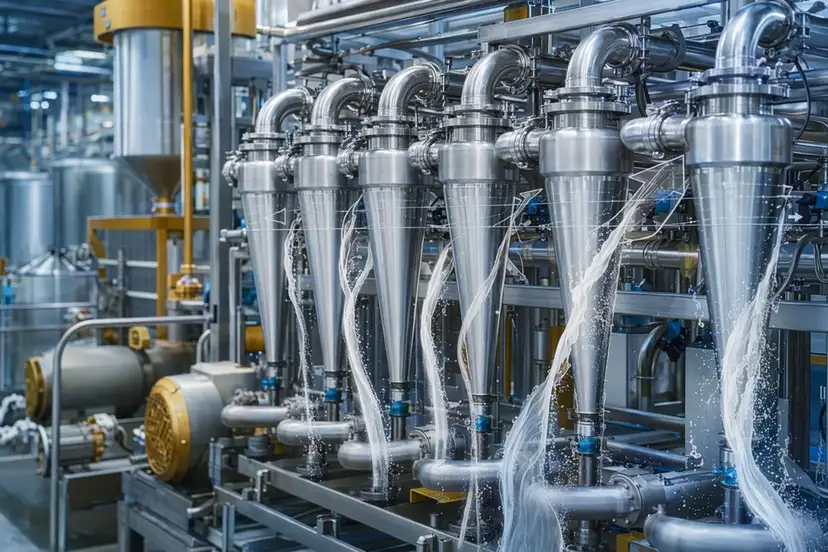
Corn starch may leave the same wet mill through different commercial doors: food, feed-linked co-products, or industrial applications. The upstream process looks familiar in each case: steeping, milling, germ separation, fiber removal, gluten separation, starch washing, dewatering, drying, and packaging or further conversion.
What changes is the control emphasis.
A food-grade starch line is usually governed by tighter hygiene, traceability, sensory, and customer-audit expectations. A feed-oriented product stream places more attention on recoverable nutrients, co-product consistency, moisture, and efficient solids routing. Industrial starch may tolerate different appearance targets but often demands strong functional consistency: viscosity, filtration behavior, conversion readiness, or predictable performance in paper, corrugating, fermentation, textile, or adhesive systems.
For an enzyme supplier for corn wet milling, the practical question is not only which enzyme fits the substrate. It is where the product is going, what the plant is measuring, and how much operating risk the team can accept during a trial.
The same corn wet mill, three different decision filters
A wet mill is an integrated system. A change in steeping, grind profile, viscosity, or separation balance can move value between starch, gluten, fiber, germ, thin stillage, process water, and downstream conversion.
Grade destination influences decisions in four areas:
- Process priority: starch purity, yield, throughput, viscosity control, washing efficiency, or co-product recovery.
- Documentation: allergen statements, food-contact expectations, traceability, customer questionnaires, and change-control files.
- Packaging and logistics: bulk tanker, silo transfer, bags, totes, moisture protection, lot segregation, or dedicated loading procedures.
- Trial tolerance: how much variation the plant can allow while still meeting shipment commitments and QA release criteria.
Enzyme programs need to fit those constraints rather than sit outside them.
Food-grade corn starch: control, cleanliness, and release confidence
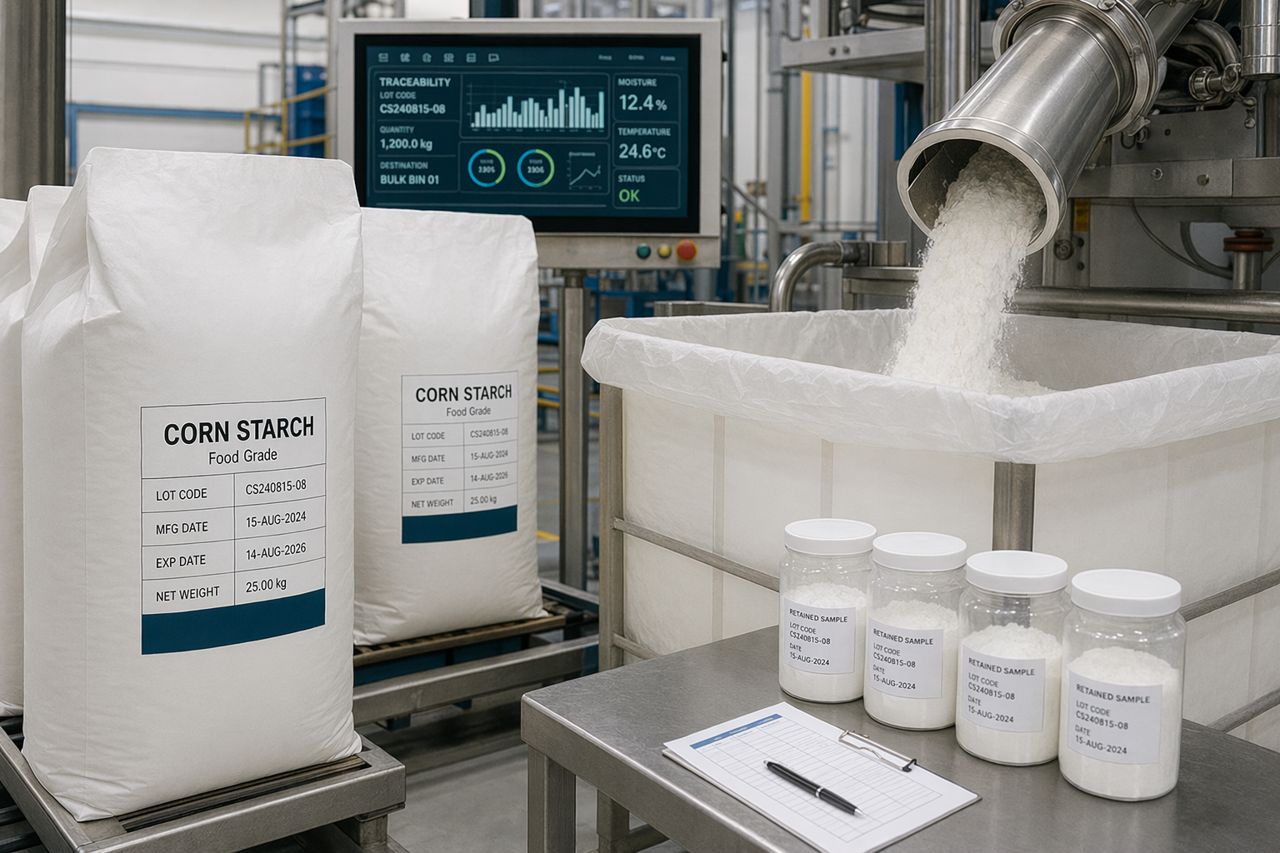
Food-grade starch production places the plant under the closest customer and QA scrutiny. Buyers often focus on color, odor, taste neutrality, microbiological control, foreign material prevention, labeling support, and consistent functional behavior.
Inside the mill, that typically increases attention on:
- Steep water control and raw corn variability.
- Stainless-contact surfaces, clean transfer paths, and hygienic hold points.
- Starch-protein separation to support low residual protein targets.
- Wash water discipline and soluble removal.
- Drying conditions that protect color and avoid heat-related quality drift.
- Lot traceability from corn receiving through packaging.
Where enzymes may matter
In food-grade operations, enzyme use is usually evaluated through a conservative lens. The plant wants process benefit without introducing label, documentation, or contamination risk.
Typical enzyme-related objectives may include:
- Supporting steep consistency when corn quality shifts seasonally.
- Reducing viscosity in selected process streams to improve pumping and separation.
- Improving starch accessibility ahead of hydrolysis or modified starch production.
- Stabilizing filtration or dewatering behavior where high-solids handling is limiting throughput.
For Mazerun, the technical discussion starts with the plant’s existing controls: pH window, temperature profile, retention time, solids level, sanitation plan, and documentation expectations. The enzyme recommendation then needs to match both the wet mill process and the customer release environment.
Feed-linked streams: recoverable value and consistent co-products
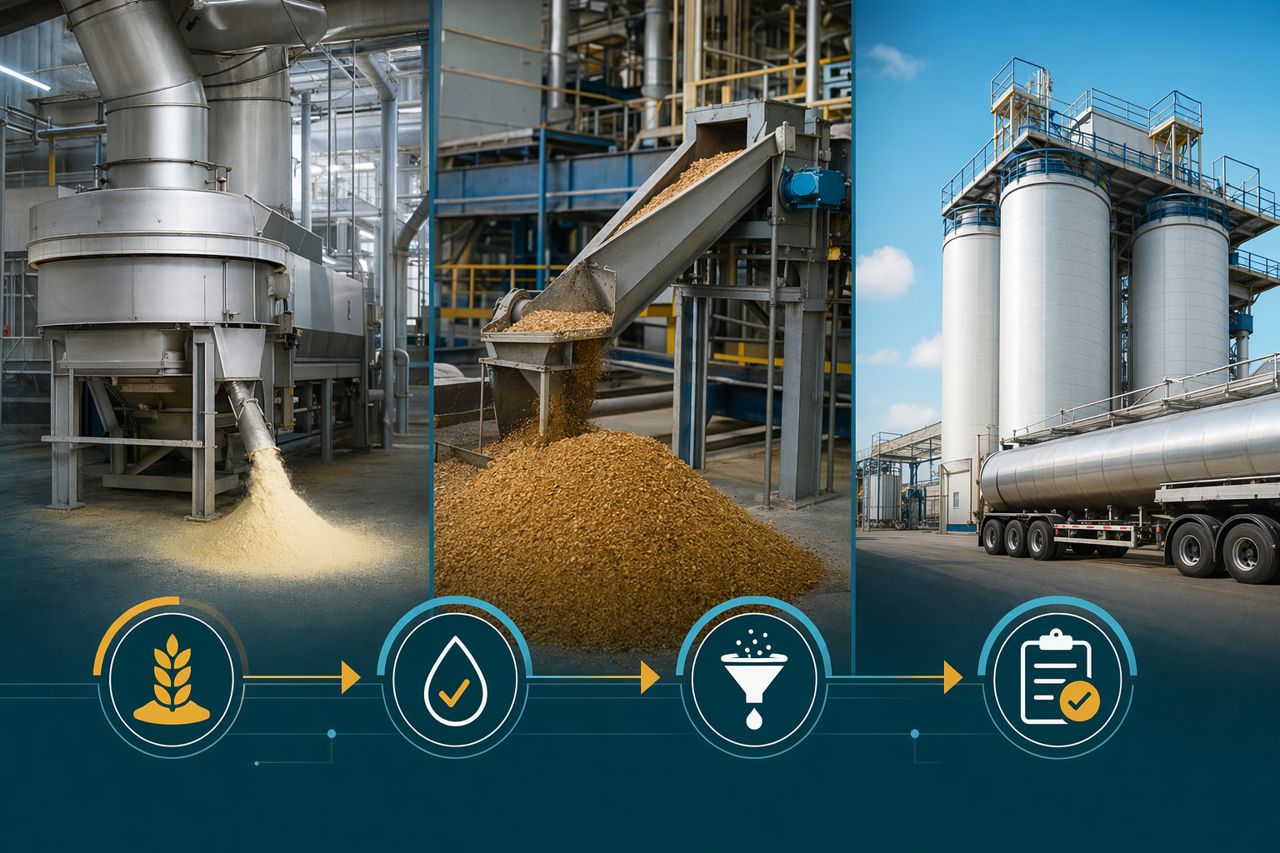
Corn wet milling does not only produce starch. Germ, gluten meal, gluten feed, fiber, and condensed steep liquor represent important value streams. When the commercial focus includes feed co-products, the plant often prioritizes solids capture, nutrient consistency, drying efficiency, and predictable handling.
Feed-linked operations may be less sensitive to starch whiteness or food-grade packaging, but they are still highly sensitive to economics. Excess viscosity, poor separation, uneven fiber behavior, or unstable moisture can increase energy demand and reduce saleable consistency.
Practical plant priorities
Feed-oriented decisions often focus on:
- Efficient separation of starch from fiber and protein.
- Stable solids flow into evaporators, presses, filters, and dryers.
- Reduced fouling and fewer unplanned slowdowns.
- Consistent moisture and nutrient profile in outgoing co-products.
- Better use of process water without overloading downstream recovery.
Where enzymes may matter
Enzymes can help by changing the handling behavior of selected carbohydrate-rich streams. The goal is not simply to break material down. The goal is to make the stream easier to move, separate, wash, concentrate, or dry within the plant’s existing mechanical limits.
A good trial plan should track practical indicators: pump load, screen performance, centrifuge stability, filtration rate, dryer load, co-product moisture consistency, and starch loss into non-starch streams.
Industrial corn starch: performance consistency over appearance alone
Industrial starch customers often care less about culinary neutrality and more about predictable process performance. That can mean viscosity stability, bonding strength, film formation, conversion speed, solids handling, fermentation suitability, or compatibility with the customer’s formulation.
Industrial destinations may include:
- Paper and corrugating.
- Adhesives and binders.
- Textile sizing.
- Fermentation feedstock.
- Foundry and construction-related binders.
- Chemical conversion routes.
The plant may therefore tune starch moisture, particle behavior, conversion readiness, and shipment consistency around downstream performance rather than food sensory requirements.
Where enzymes may matter
For industrial starch, enzyme strategy is often tied to functional specification. Examples include viscosity reduction before evaporation or concentration, liquefaction support for dextrose conversion, or preparation of starch streams that need predictable downstream hydrolysis.
Industrial customers may accept different documentation packages than food customers, but they still expect consistency. If an enzyme change alters viscosity, filtration behavior, or carbohydrate profile, the plant needs a clear before-and-after view and a controlled implementation path.
What actually changes inside the plant?
The equipment may not change dramatically, but the operating priorities do.
| Plant area |
Food-grade emphasis |
Feed-linked emphasis |
Industrial emphasis |
| Corn receiving |
Traceability, quality screening, contaminant prevention |
Nutrient value, moisture, storage stability |
Starch performance potential, consistency |
| Steeping |
Controlled extraction, microbial discipline, starch release |
Solids recovery and process water balance |
Consistent softening for downstream conversion |
| Separation |
Starch purity and low protein carryover |
Efficient recovery across starch, gluten, and fiber |
Stable fraction quality for functional use |
| Washing |
Soluble removal, color, odor, release confidence |
Water balance and solids capture |
Functional consistency and conversion readiness |
| Dewatering and drying |
Moisture control, hygiene, packaging readiness |
Energy efficiency and co-product stability |
Moisture and handling behavior for customer process |
| Documentation |
Food safety, traceability, customer audits |
Feed compliance and nutrient consistency |
Technical specifications and performance records |
This is why a single enzyme recommendation cannot be separated from product destination. The same dosage window that improves viscosity in an industrial stream may be inappropriate for a food-grade line if it complicates documentation, release testing, or customer approval.
Enzyme selection should follow the commercial destination
A disciplined enzyme review usually starts with three questions.
1. What is the bottleneck?
Is the plant losing starch into fiber? Is high viscosity limiting flow? Is a centrifuge operating close to its stability limit? Is filtration slowing during certain corn crop periods? Is dextrose conversion less predictable than expected?
The bottleneck defines the enzyme target more clearly than the grade label alone.
2. Where is the acceptable dosing window?
Corn wet mills operate continuously, and dosing needs to respect real plant constraints: available injection points, mixing quality, temperature profile, pH range, retention time, CIP schedule, and access for sampling. A technically sound enzyme that cannot be introduced cleanly into the line will not survive plant review.
3. What proof does QA and operations need?
Food, feed, and industrial products require different evidence packages. A food-grade customer may need allergen documentation, origin statements, lot traceability, and change-control support. A feed-linked stream may need co-product consistency data. An industrial customer may focus on viscosity curve, filtration performance, carbohydrate profile, or conversion outcome.
Mazerun supports enzyme evaluation around the evidence the plant actually needs to make a controlled decision.
Trial design: keep it narrow enough to trust
A wet mill trial should not become a plant-wide guessing exercise. The best trials isolate one process question, define baseline behavior, and establish stop conditions before dosing begins.
A practical trial plan may include:
- Current process map and proposed injection point.
- Baseline data from comparable operating days.
- Corn quality notes and steep condition records.
- Target stream, retention time, and mixing conditions.
- Expected indicators, such as viscosity, filtration behavior, separation stability, starch loss, dryer load, or dextrose conversion trend.
- QA documentation required before trial material can enter the intended product channel.
- Clear review meeting with operations, QA, and commercial stakeholders.
This approach helps the plant avoid confusing a real enzyme effect with normal crop, grind, or throughput variation.
Packaging expectations also change by grade
Packaging is often treated as a logistics topic, but for starch it is part of grade control.
Food-grade starch may require tighter segregation, clean bags or totes, sealed transfer systems, lot coding, retained samples, and documented hygiene practices. Feed-linked products may prioritize bulk movement, moisture stability, and predictable loading into feed channels. Industrial starch may ship in bulk, bags, or tankers depending on customer process and moisture sensitivity.
If an enzyme program changes solids behavior or drying load, packaging performance can also change. A starch that dewaters more efficiently may move differently in drying, cooling, conveying, or bagging. Those downstream observations should be included in the trial review.
How Mazerun supports corn wet mill teams
Mazerun works with corn wet milling teams that need practical enzyme support without disrupting continuous operation. Our role is to connect enzyme selection with plant reality: substrate, contact time, flow path, process temperature, pH range, documentation needs, and the commercial destination of the starch or co-product.
Support can include:
- Application review for steeping, separation, viscosity reduction, liquefaction, saccharification, filtration, or dextrose conversion.
- Selection of enzyme candidates matched to plant constraints.
- Trial protocol support with defined operating indicators.
- QA documentation support for customer review.
- Scale-up guidance from bench review to controlled plant trial.
- Troubleshooting when corn quality, viscosity, or separation behavior shifts.
The goal is not to add complexity. The goal is to help the mill make a measured change with enough evidence to keep production, QA, and commercial teams aligned.
Request enzyme guidance for your starch grade target
If your plant is comparing food, feed-linked, or industrial corn starch requirements, Mazerun can help review the process stage, grade constraints, and trial path before dosing begins.
Request a quote through the on-site form and include your target product grade, process stage, operating bottleneck, and any documentation expectations. We will respond with a practical enzyme recommendation and a trial discussion plan.