Maintenance Windows in 24/7 Corn Wet Milling Plants
In a continuous corn wet mill, maintenance is not a background activity. It is part of yield protection. A screen inspection postponed by one run, a pump seal allowed to drift, or a fouled heat exchanger left until the next outage can change separation behavior, viscosity, flow balance, dextrose conversion, and downstream filtration load.
Mazerun supports plants that run around the clock and need practical enzyme programs that fit real operating windows. As an enzyme supplier for corn wet milling, we look at maintenance planning as a process-control issue: what condition is the equipment in, what is the product slate, what can be dosed consistently, and what must remain stable when the plant returns to rate?
Why maintenance windows affect enzymatic performance
Enzymes are introduced into a physical system. When equipment condition changes, the process response can change as well.
Common examples include:
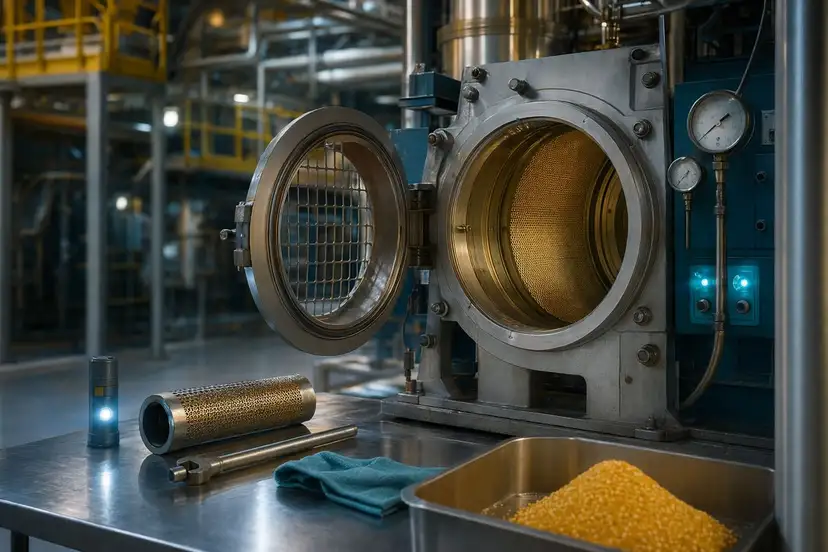
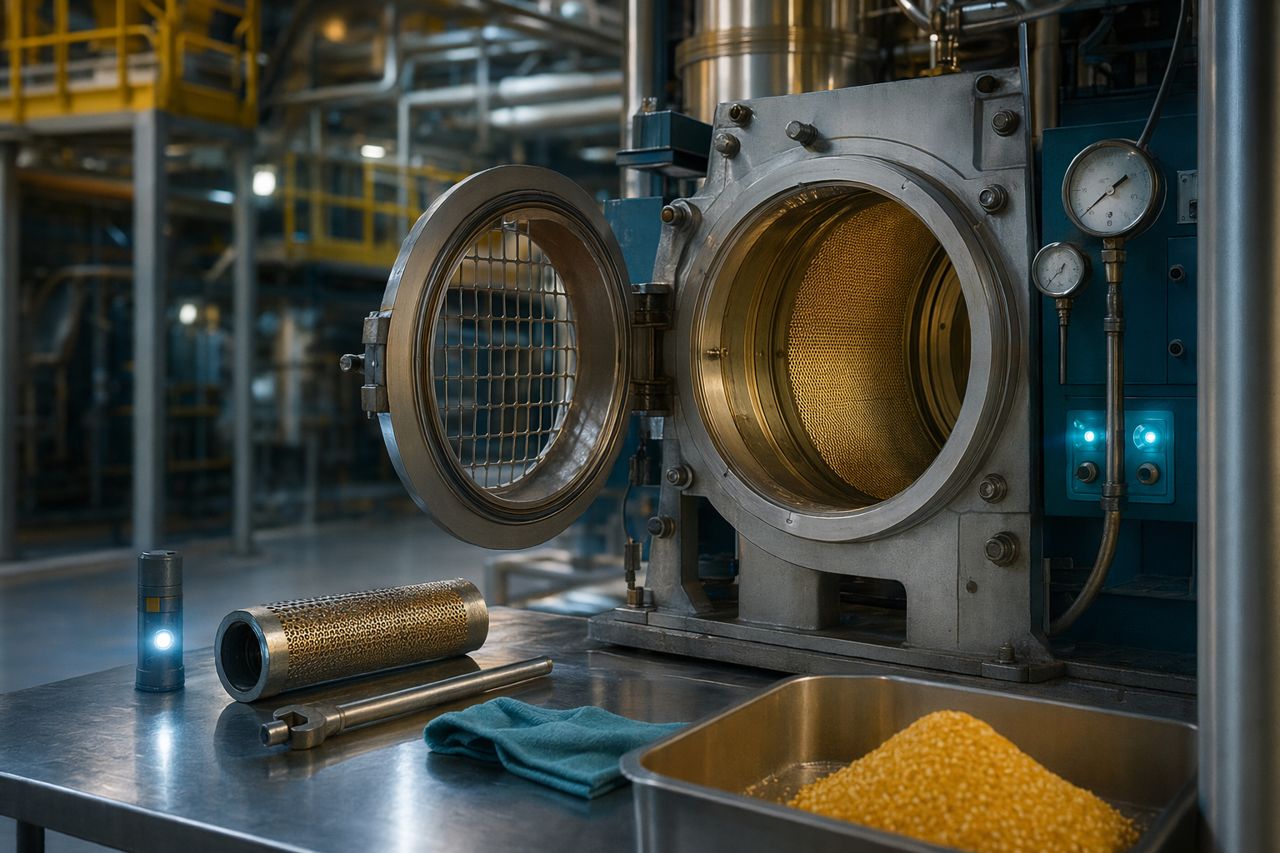
- Screen wear or blinding changing fiber removal and load distribution
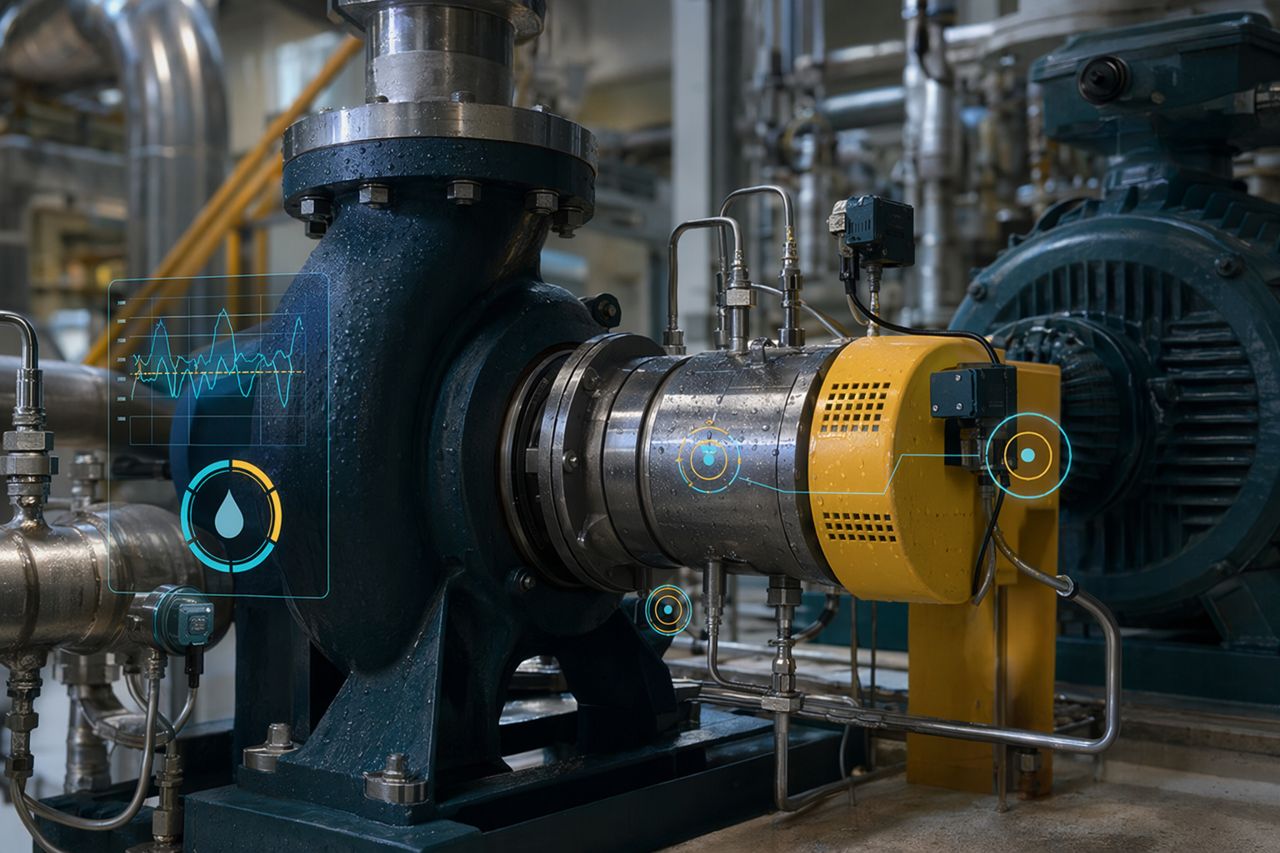
- Pump performance drift altering residence time and transfer consistency
- Seal leakage or air ingress affecting flow stability and sanitation risk
- Heat exchanger fouling shifting temperature control and viscosity behavior
- Instrument drift masking real pH, temperature, flow, or solids changes
- CIP inconsistency leaving deposits that influence startup behavior
A maintenance outage is therefore more than a mechanical reset. It is a chance to confirm the operating envelope that the enzyme program depends on.
Planning the window: align mechanical work with process risk
For 24/7 plants, the maintenance plan should separate tasks by their impact on separation, conversion, and uptime.
High-priority checks before restart
Focus first on areas that affect flow and contact conditions:
- Steep system condition, transfers, agitation, and sanitation status
- Grind and screen integrity, including wear patterns and plugging risk
- Hydrocyclone feed stability and pressure control
- Centrifuge condition, vibration status, and solids discharge consistency
- Liquefaction temperature control and heat transfer performance
- Saccharification tank cleanliness, transfer accuracy, and hold consistency
- Filtration feed behavior, differential pressure trend, and cake formation
These checks help determine whether a previous dosing window can be retained or whether a controlled restart adjustment is needed.
Sanitation and inspection: avoid carrying problems into startup
Sanitation work is often scheduled under time pressure. The risk is that a partially cleaned line, tank, screen, or heat-transfer surface returns to service and creates instability during the first production hours.
From an enzyme supplier perspective, the key question is not only whether the equipment is clean, but whether the process conditions after cleaning are repeatable. Residual deposits can influence viscosity, filtration, starch accessibility, or microbial pressure. Over-aggressive cleaning can also expose worn surfaces, weak seals, or instrumentation issues that were hidden during steady operation.
A good maintenance window documents:
- Which circuits were opened, inspected, cleaned, or bypassed
- What screens, seals, gaskets, and wear parts were changed
- Which instruments were calibrated or replaced
- Any temporary operating constraints for restart
- The expected time to return to normal solids, flow, temperature, and conversion targets
Screen wear, pumps, and seals: small changes that reach the enzyme step
Mechanical condition upstream can change the burden placed on enzymatic processing downstream.
Worn or blinded screens may send more fine fiber or uneven solids forward. Pumps operating outside their preferred range can create unstable flow or heat input. Seal issues can introduce dilution, contamination risk, or oxygen exposure depending on the circuit.
These changes can show up as:
- Higher or more variable viscosity
- Slower filtration or inconsistent cake behavior
- Less stable centrifuge loading
- More frequent line flushing
- Dextrose conversion variability after restart
- Operator adjustments that make dosing history difficult to interpret
Maintenance records and enzyme trial records should be read together. If conversion or filtration changes after an outage, the root cause may be mechanical condition, not enzyme selection alone.
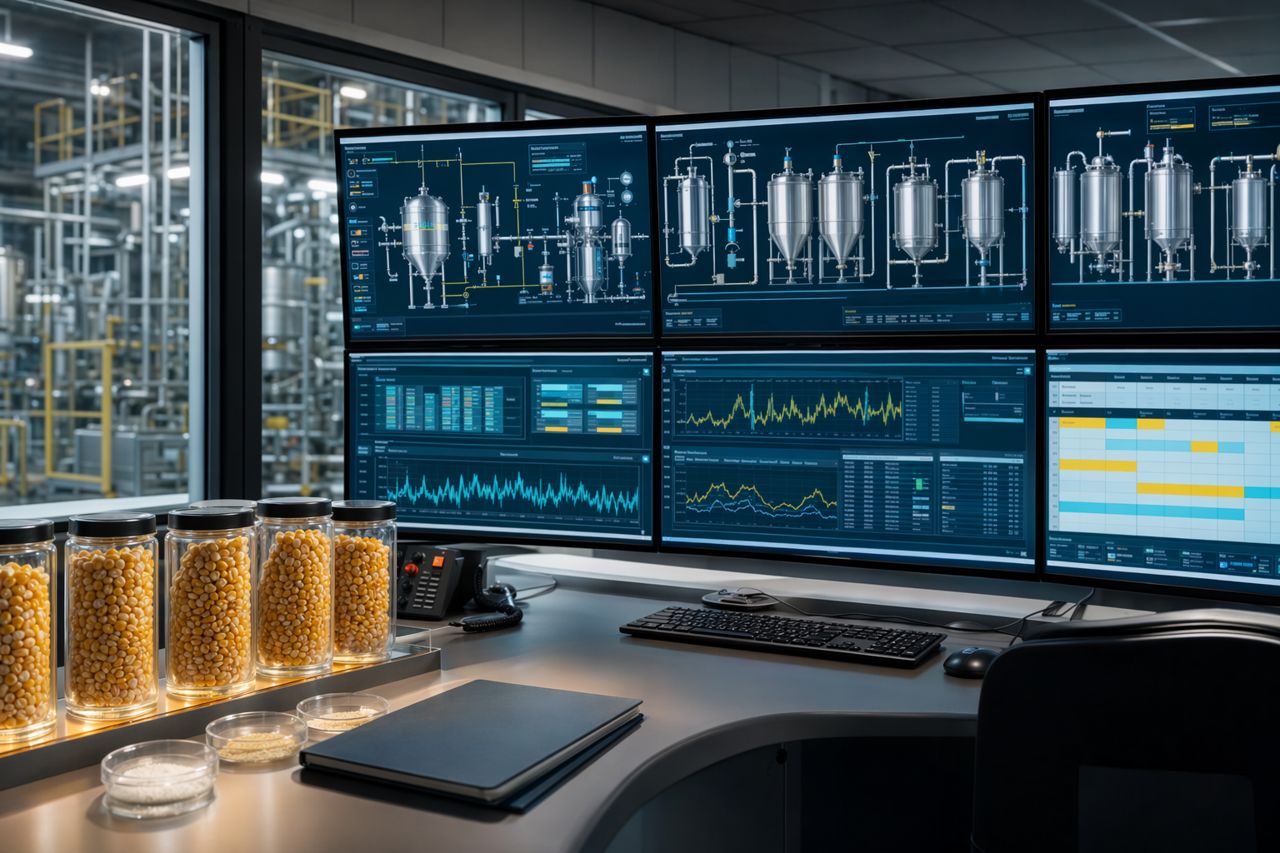
Instrumentation checks: trust the data before changing the program
Many plants respond to post-maintenance variation by adjusting dose, temperature, or hold time quickly. Sometimes that is necessary. But first, confirm that the data is reliable.
Useful checks include:
- Flow meter verification on critical dosing and transfer lines
- Temperature sensor checks around liquefaction and saccharification stages
- pH probe cleaning, calibration, and placement review
- Solids measurement consistency across shift handovers
- Pressure readings on screens, filters, hydrocyclones, and heat exchangers
- Dosing pump stroke, backpressure, and line condition inspection
A stable enzyme program depends on stable measurement. If instruments shifted during outage work, apparent process variation may not reflect real chemistry.
Restart discipline: protect the first production hours
The restart period is when maintenance quality becomes visible. Plants should define a short, practical restart protocol for enzyme-related process points.
Recommended approach:
- Confirm mechanical handover notes before introducing full-rate production.
- Verify dosing pump readiness, supply line condition, and injection point cleanliness.
- Bring flow, temperature, pH, and solids back in a controlled sequence.
- Hold previous dosing assumptions until baseline measurements are confirmed.
- Track viscosity, separation behavior, filtration pressure, and dextrose conversion during the first operating block.
- Make one change at a time where possible.
- Document deviations by equipment area, not only by product lot.
This reduces the chance of over-correcting an enzyme program for a temporary mechanical or instrumentation issue.
Where Mazerun supports maintenance-window planning
Mazerun helps corn wet milling teams connect enzyme application decisions with plant reality. Our technical support can help review process constraints before a planned outage, define restart observation points, and structure trials that account for equipment condition.
Typical support includes:
- Reviewing the target stage: steep support, viscosity reduction, liquefaction, saccharification, or filtration improvement
- Mapping dosing windows against residence time, temperature, pH, and solids targets
- Identifying likely mechanical variables that may influence the trial
- Providing documentation for QA and purchasing review
- Supporting controlled plant trials with clear success criteria
- Helping compare pre-outage and post-outage process data
The objective is not to complicate maintenance. It is to keep enzyme decisions tied to measurable plant outcomes: yield protection, separation efficiency, dextrose conversion stability, filtration performance, and uptime.
Practical checklist for the next shutdown
Before the window:
- Define which production metrics will be used as restart baseline
- Confirm critical enzyme dosing points and spare dosing components
- Review known restrictions in screens, pumps, seals, heat exchangers, and instruments
- Align QA, maintenance, operations, and process engineering on hold points
During the window:
- Record inspected and replaced parts by process area
- Verify cleaning completion and any circuits left in temporary condition
- Calibrate or check instruments that influence enzyme reaction conditions
- Confirm dosing skid readiness before mechanical handover
After restart:
- Compare first stable operating block against pre-window data
- Watch for viscosity, filtration, and separation changes before changing dose
- Document any abnormal flow, temperature, solids, or pH behavior
- Review results across shifts to avoid single-sample decisions
Talk with Mazerun before the next window
If your plant is planning a shutdown, debottlenecking inspection, sanitation campaign, or enzyme trial after maintenance, Mazerun can help structure the evaluation around your operating constraints.
Use the on-site request a quote form to share your target application, process stage, and maintenance timing. We will respond with a practical supply and technical support path for your corn wet mill.