Enzymes for Starch Separation and Washing | Mazerun
Mazerun supplies enzyme solutions for corn wet mills focused on starch-gluten separation, starch washing, viscosity control, stream clarity, and plant trial support.
Request pricing Mazerun supplies enzyme solutions for corn wet mills focused on starch-gluten separation, starch washing, viscosity control, stream clarity, and plant trial support.
Request pricingMazerun supplies enzyme solutions for corn wet mills looking to improve starch-gluten separation, starch washing performance, and downstream stream quality without disrupting continuous operation.
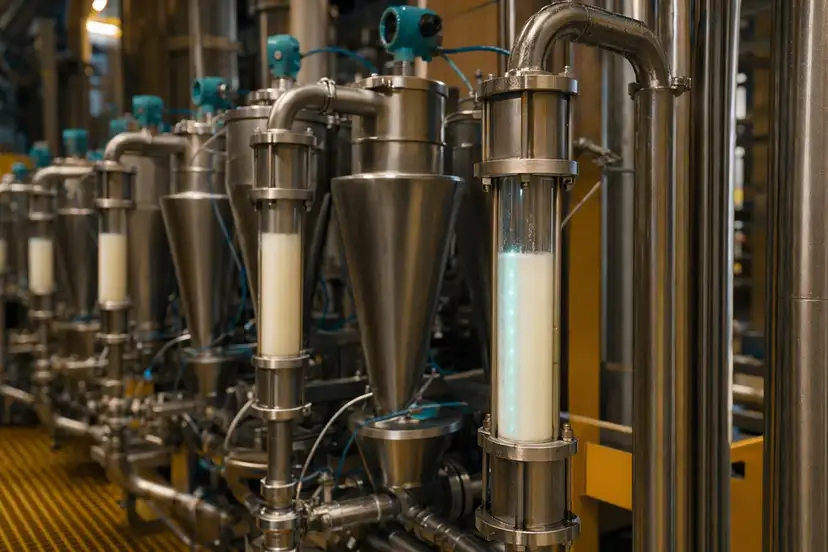
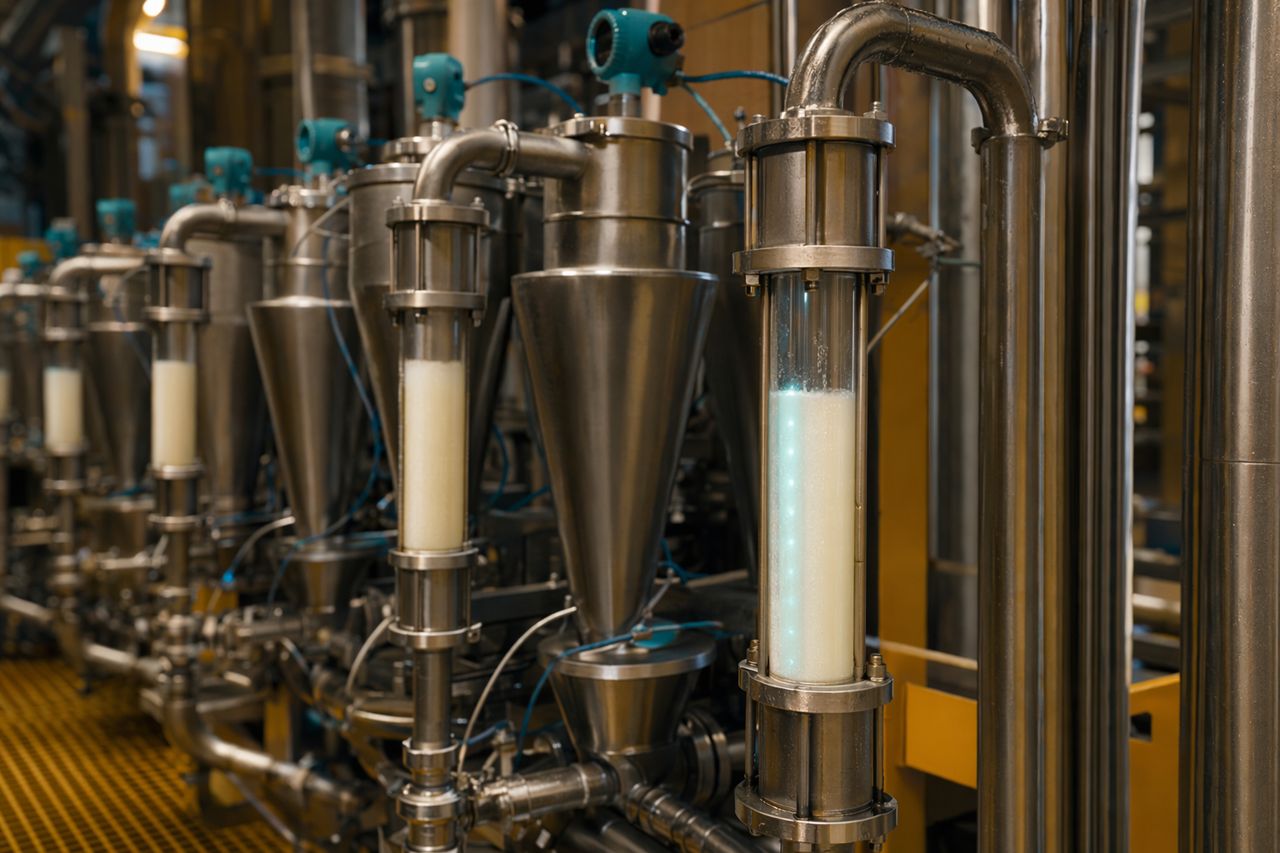
In the separation and washing area, small changes in viscosity, protein carryover, fiber fines, and starch surface cleanliness can show up quickly in centrifuge load, hydrocyclone behavior, wash water demand, filtration, and final starch quality. Our role is practical: help your team evaluate enzyme options against real plant constraints, then support a controlled trial with clear operating targets.
If you need an enzyme supplier for corn wet milling with experience in plant-side decision making, QA documentation, and staged adoption, Mazerun can support the conversation from sample review through quote and trial planning.
Starch separation is not only a mechanical step. The efficiency of hydrocyclones, centrifuges, screens, and washing stages is affected by the condition of the slurry entering them.
Mazerun enzyme programs are selected to help address process constraints such as:
The objective is not to replace mechanical control. It is to make the slurry easier to separate and wash, so existing equipment can operate closer to its intended performance window.
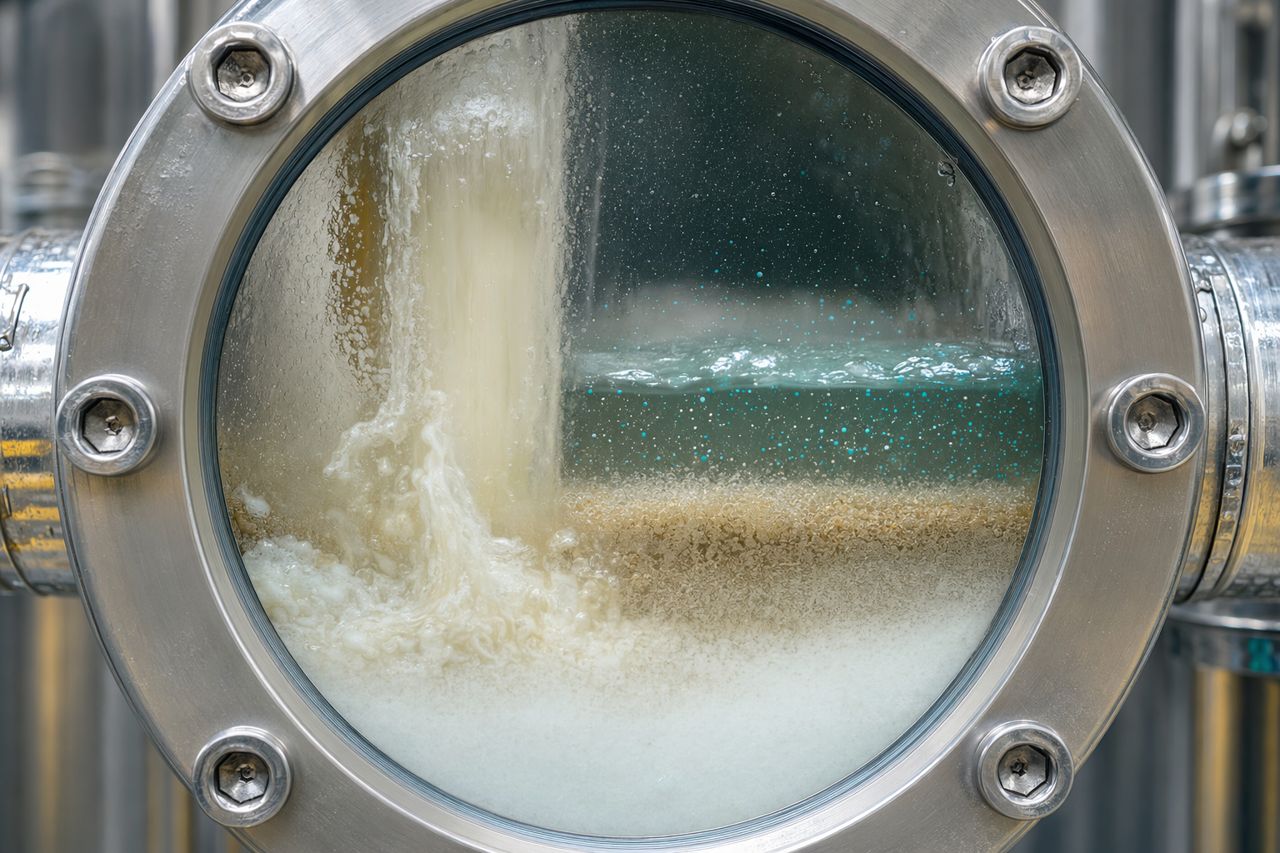
Targeted enzyme use can help reduce the impact of residual protein, cell-wall fragments, and viscosity-building components that interfere with starch washing. A cleaner starch stream can support downstream quality targets and reduce rework pressure.
When slurry rheology is more stable, hydrocyclone and centrifuge performance can become easier to manage. Operators may see better consistency in overflow and underflow behavior, less sensitivity to small feed variations, and a more predictable washing profile.
Residual gums, fiber fines, and proteinaceous material can affect filtration, dewatering, and drying. Enzyme support upstream of these steps may improve handling characteristics and reduce bottlenecks later in the line.
Corn wet mills operate continuously, and enzyme decisions must fit that reality. Mazerun focuses on practical dosing windows, feed point suitability, retention time compatibility, and integration with existing control routines.
Mazerun can recommend enzyme systems based on your plant’s actual separation challenge rather than a generic product list. Depending on the process target, programs may focus on:
Final selection depends on corn quality, steep profile, grind condition, slurry solids, residence time, temperature exposure, pH range, downstream quality requirements, and the existing separation equipment layout.
A starch separation or washing enzyme trial may be appropriate when your plant is seeing:
These symptoms can have mechanical, operational, or raw-material causes. Mazerun supports enzyme evaluation as part of a disciplined troubleshooting approach, not as a one-step assumption.
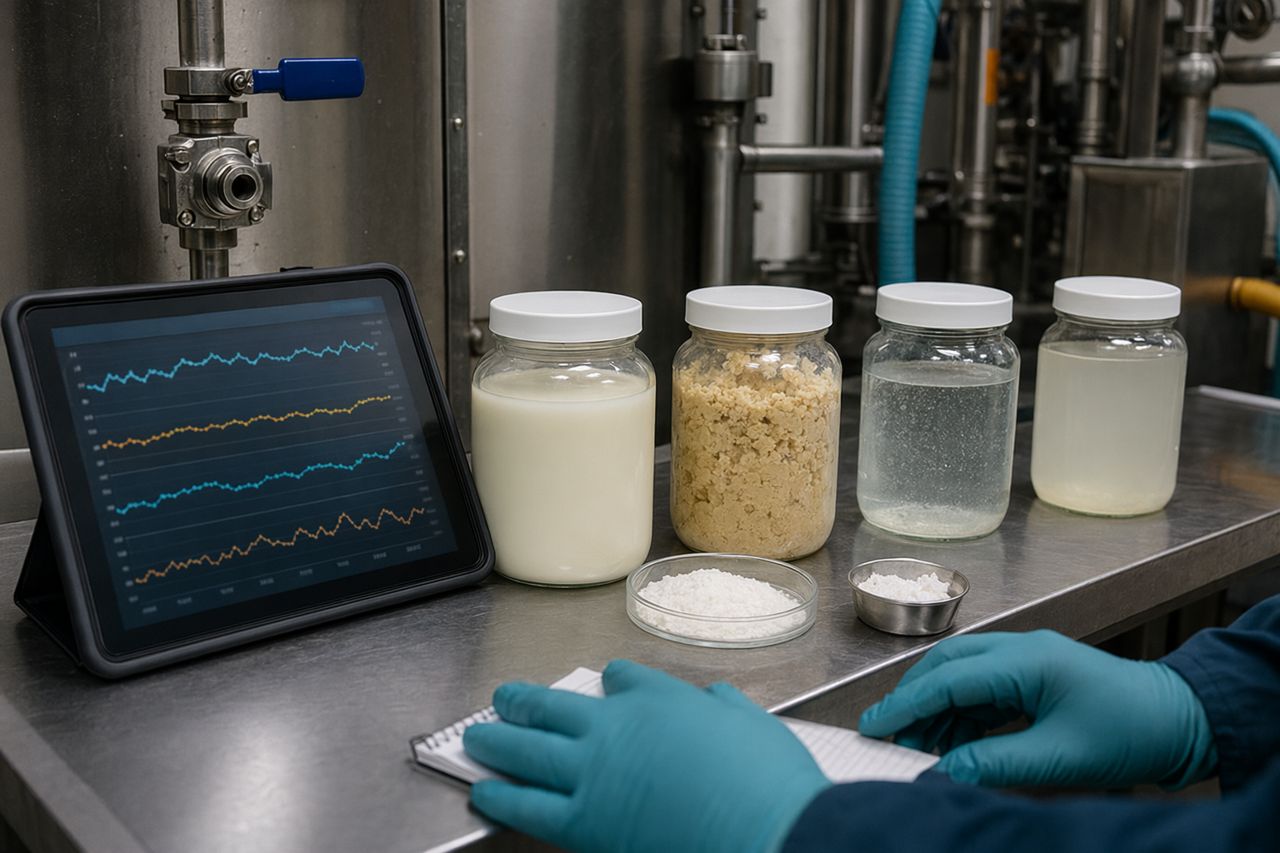
A useful trial needs more than a sample shipment. Mazerun helps define a practical evaluation plan before product is introduced into the line.
Our technical support can help your team align on:
The goal is to reduce trial noise and make the outcome useful for engineering, operations, procurement, and quality teams.
Corn wet mills need supply partners that understand production continuity. Mazerun can support buyer review with relevant product documentation, specification alignment, and lot-level quality communication. We also work with customers to match product format, handling expectations, and purchasing cadence to plant requirements.
For procurement teams, that means a clearer quote discussion. For process teams, it means an enzyme program that is reviewed against the line conditions where it will actually be used.
The best enzyme program for starch separation and washing is the one that fits your mill’s equipment, stream behavior, product targets, and operating discipline. Mazerun brings a calm, engineering-led approach to that decision.
If your team is evaluating separation efficiency, washing performance, viscosity control, or starch stream clarity, share your process objective and current constraint. We can recommend a starting point and prepare a quote for review.
Use the on-site request form to tell us about your corn wet mill, target process area, current separation or washing challenge, and any documentation requirements. A Mazerun representative will follow up with product guidance, availability, and a quote for your evaluation.
Tell us your application and volume — we reply with pricing and lead time.